



Spiritual Wellbeing Personal Values Practices and Everyday Life
Spiritual wellbeing can mean finding purpose, living in line with values, or feeling connected to a religious community, other people, or the natural world. Its meaning is personal and culturally shaped. It does not require everyone to adopt the same belief or purchase the same objects.
A useful starting point is to ask what matters to you and how it appears in ordinary choices. This guide offers reflection and routine ideas without defining one correct spiritual life. It also explains where a general shop guide reaches its limits, particularly when distress or health concerns need other support.
Define the Term in Your Own Context
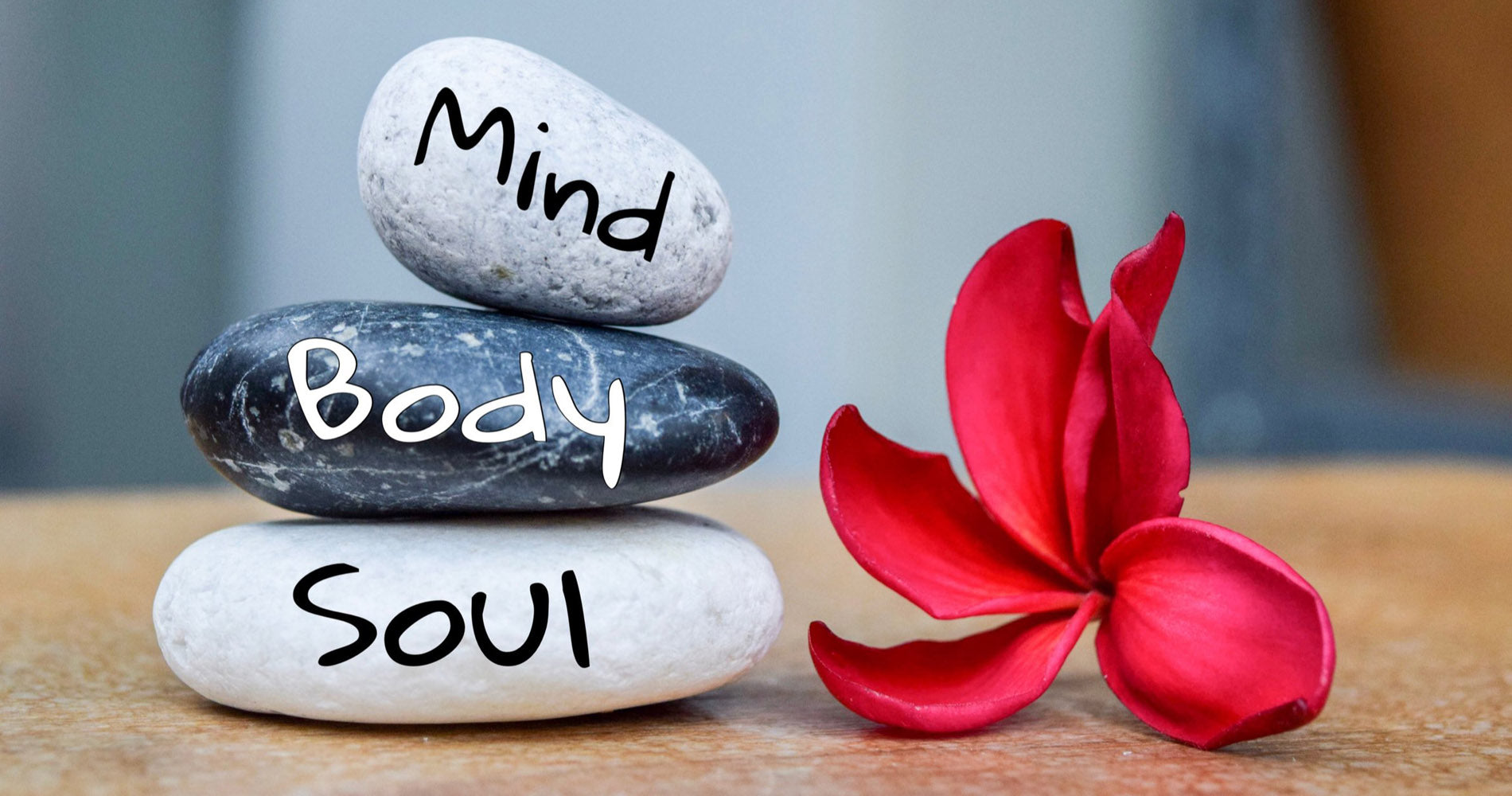
SAMHSA's wellness framework includes a spiritual dimension concerned with beliefs, values, meaning, and purpose. It places that dimension alongside other aspects of life rather than treating it as an explanation for every problem. This is one practical framework, not a universal religious definition.
For a religious person, wellbeing may involve worship, study, service, or belonging within a tradition. Someone who does not identify as religious may use the term for ethical reflection or connection. Others may prefer a different word altogether.
Begin with language that makes sense to you. Write one sentence about what you hope to understand or make time for. You can revise it later; uncertainty is not a failure to have a sufficiently developed spiritual identity.
Identify Values Through Ordinary Decisions
A value becomes clearer when connected to an action. If generosity matters, consider what you can share within your means. If honesty matters, identify one conversation in which clarity would help. Avoid compiling an impressive list that has no connection to your current circumstances.
Try choosing two values and describing how each appeared during the past week. Include difficulties as well as successes. A conflict between caring for others and protecting your time can be worth examining without pretending that one slogan resolves it.
This exercise is a reflection prompt, not a test or a diagnostic tool. You do not need to score your worth or compare answers with another person. The useful outcome is a clearer next choice, however modest.
Make Reflection Small Enough to Use
Set aside a brief period at a time that already has a natural pause. You might write a few lines after breakfast or sit quietly before beginning another activity. A routine that depends on a perfect room or a long uninterrupted hour may be difficult to maintain.
Choose a concrete question, such as what deserved more attention today or which commitment needs reconsidering. Record an answer in ordinary language. There is no requirement to produce a profound insight each time.
If silence or inward attention feels uncomfortable, choose a different form of reflection, such as a walk, drawing, or a conversation with someone you trust. A personal practice can be adapted or stopped. It should not become an obligation to remain in distress.
Learn Traditions Without Mixing Away Their Differences
If a religious or philosophical tradition interests you, seek sources and teachers connected with it. Learn what a practice means in that setting before treating it as an interchangeable wellness technique. A short online description rarely supplies the full context.

Ask which activities are open to visitors, which require preparation, and how to participate respectfully. You can appreciate an image, prayer, or ceremony without claiming authority to teach it. Buying an object associated with a tradition does not establish membership or expertise.
Avoid presenting a private mixture of practices as a timeless universal method. If you choose a personal routine inspired by several sources, describe it as personal and name those sources accurately. Respect includes leaving differences visible.
Community Can Take Several Forms
A sense of connection may come through a religious group, neighbours, volunteering, friends, or a shared creative activity. Choose a setting in which people can ask questions and maintain their boundaries. Belonging should not depend on accepting pressure or surrendering ordinary judgement.
Before joining a group, clarify expectations about attendance, money, privacy, and leadership. A welcoming introduction should allow time to decide. Be cautious about claims that one group alone can guarantee protection, certainty, or recovery.
You can remain connected without agreeing with every belief. Where disagreement matters, speak respectfully and decide what level of participation is appropriate. A healthy personal choice can include leaving a group that does not fit your needs.

Put Meaning into Everyday Commitments
Consider one practical action that reflects a value you named. It might be keeping a promise, making time for a relative, or contributing to a local project. The action need not appear spiritual to other people to matter to you.
Keep the commitment realistic. Helping others does not require taking on responsibilities you cannot sustain or neglecting necessary care for yourself. A small action completed consistently may be more useful than a dramatic pledge made under pressure.
Review the action after trying it. Did it fit your circumstances, or did it create an avoidable burden? Changing a routine in response to experience is not a moral defeat. The purpose is to connect values and life rather than perform an idealised identity.
Objects Are Optional Reminders
A bead strand, image, journal, or simple cup may serve as a reminder of an intention. Its role depends on how you use it and any tradition involved. An object is not necessary evidence that a person is spiritual or progressing.
If buying something, consider the meaning, accurate material description, budget, and care needs. A costly object should not be presented as a required upgrade in spiritual worth. You can use something already owned or choose no object at all.

Avoid attaching health guarantees or predictions to a purchase. A symbol can express hope, remembrance, or commitment without controlling outcomes. Clear product descriptions protect the distinction between personal meaning and measurable performance.
Arrange a Practical Place Rather Than a Perfect One
Choose a place where you can sit or stand comfortably and use what you need. A small clear surface is enough for a notebook. Shared homes may need a portable arrangement that is put away after use.
There is no requirement for smoke, fragrance, continuous music, or a special colour scheme. Consider other people's preferences and the ordinary safety of the space. A practice should not require bypassing rules or changing a household without agreement.
If space is limited, connect the routine to an existing activity rather than build a separate corner. A short walk or a few written lines can be easier to sustain than a display that creates clutter and maintenance work.
Review Without Turning It into a Score
After a week or two, ask whether the routine helped you notice a value or act on a commitment. You might also ask whether it remained practical. These are modest observations, not proof of a treatment effect or a universal wellbeing formula.
Avoid comparing the appearance of your life with curated images of someone else's practice. Displays do not show finances, relationships, health, or unseen difficulties. A meaningful routine can look ordinary and change as life changes.
Keep what is useful and let go of what has become an unhelpful obligation. Some periods call for community; others for rest or practical assistance. Spiritual reflection does not have to supply every kind of support.
Know When More Support Is Needed
A shop article cannot assess persistent distress, explain symptoms, or decide which treatment is suitable. If difficulties are affecting daily life, speak with an appropriate health professional or trusted support person. Religious or pastoral guidance may be valuable in its own role without replacing clinical care.
Do not interpret ongoing problems as evidence that you lack faith, gratitude, or the right object. That explanation can add blame without helping. Practical help, professional support, and spiritual life can address different needs.

Conclusion
Start with your own understanding of meaning and values, then choose a manageable reflection or action. Community and tradition can add context, while objects remain optional. No purchase or perfectly maintained routine is a measure of a person's worth.
Keep expectations realistic and boundaries clear. Spiritual wellbeing can be part of everyday life without being asked to explain every difficulty or replace the other kinds of support a person may need.
Factual References
Related Reading
- Creating a Meditation Corner
- Choosing a Teacup for a Quiet Tea Routine
- Mala Beads Parts Counts and Buddhist Contexts

Frequently Asked Questions
Must Spiritual Wellbeing Be Religious
People use the term differently. It may involve a religious tradition or a personal understanding of values and purpose.
Do I Need to Buy a Special Object
No. Objects can be optional reminders, but they do not establish spiritual worth or guarantee results.
How Long Should Reflection Take
Choose an amount that fits your circumstances. A few useful lines or a brief pause can be enough for a personal routine.
What If Quiet Reflection Feels Uncomfortable
Change the form, stop, or seek appropriate support. Remaining in distress is not a requirement for a meaningful practice.
Can I Combine Practices from Different Traditions
Learn their contexts and participation requirements first. Describe any personal adaptation honestly rather than call it a universal ancient method.
Can Spiritual Practice Replace Professional Support
No. A general guide cannot assess health concerns or persistent distress. Different kinds of support can serve different needs.

