

Tibetan Jewelry Cultural Context Materials and Provenance
A Tibetan amulet box can be jewelry and a container at the same time. That practical distinction opens a more useful discussion than assigning one meaning to every turquoise-coloured bead or ornate ring. Look first at the object's form, then at who made it, what it contains and which history can be documented.
A Noblewoman's Amulet Box Offers a Specific Example
The Met's Amulet Box of a Noblewoman comes from Tibet and is dated to the late nineteenth or early twentieth century. Goldwork and several gemstones form a necklace element intended to hold consecrated written or printed texts.
The record brings together adornment, social position and religious contents. It does not show that all Tibetan jewelry was made from the same materials or that wealth was irrelevant to its appearance. The owner's context is part of what makes this particular object understandable.
A Gau Is a Container With Contents to Consider
Gau, also written ga'u or gawu, names an amulet container. James Gentry's Project Himalayan Art essay discusses the importance of the contents in Tibetan Buddhist and Bon settings. The box's exterior is only part of the object.
For a new pendant, find out whether it opens, is sealed or merely resembles a box. Ask what is inside and whether it is intended to be removed. Do not open an unfamiliar religious object just to investigate it; use guidance appropriate to its owner and context.
Bracelets and Rings Need Different Questions
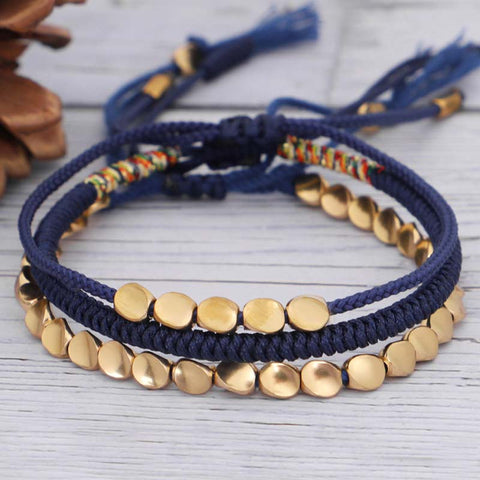
A cord bracelet does not need the same examination as an opening container or a wide metal ring. Start with the construction rather than transferring an amulet-box explanation across the whole category.
The Tibetan-style bracelet guide deals with knots, openings and mixed components. The ring guide looks at inscriptions, moving bands and fit. Keeping those jobs distinct leaves room here for the wider questions of source and identity.
Separate Material Names From Colour
Turquoise colour does not establish turquoise, and a gold-looking surface does not establish a gold body. Ask what each significant part is made from and whether it has been treated, coated or imitated.
The copper ring with a red stone needs its own material description. Its style name cannot authenticate the stone, establish manufacture in Tibet or supply an antique history. Choose the actual disclosure over assumptions drawn from a familiar colour combination.
Ask Where the Making Took Place
A style, a maker's identity and a place of manufacture are related possibilities, not interchangeable claims. If a workshop or craftsperson is named, look for information about their role in the finished piece. Handmade can cover different stages of work and should be explained where it affects the purchase.
Likewise, an ethical-sourcing statement should describe what it covers: a material supply, a workshop relationship or another documented part of production. A religious motif alone provides no evidence about working conditions or the route by which an object reached the shop.
Follow Provenance Through the Individual Object
For an older piece, useful records may include dated photographs, previous ownership and sale information. A gem report can identify a submitted material without proving where the complete object was made or who owned it.
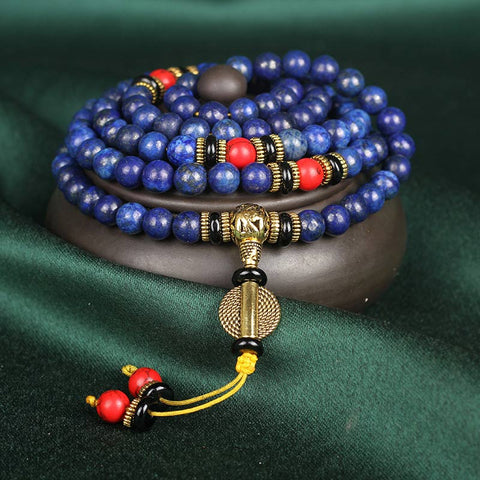
A similar museum object provides a comparison, not missing links in a seller's history. Keep uncertainty visible. For a contemporary design, accurate maker and material details may be more relevant than an unsupported claim of ancient continuity.
Keep the Form Usable and Maintainable
Check weight, attachment and any opening mechanism before choosing a wearable piece. A box may contain paper or other material unsuitable for moisture, while its exterior has a different finish again. Cleaning it as though it were a solid metal pendant could damage what matters most.
Store delicate parts with support and keep the description with the object. If an inscription or ceremonial preparation forms part of its significance, retain that information too. These details make it possible to explain the piece without relying on a general style label.
Questions About Tibetan Jewelry Forms
Does One Museum Object Represent All Tibetan Jewelry?
No. Its date, place, materials, owner, and use describe a specific object.
What Is a Gau?
It is an amulet container. Its construction and contents need their own description.
Does Turquoise Colour Identify Turquoise?
No. Ask for material identification and any disclosed treatment or imitation.
Does an Aged Finish Prove Antiquity?
No. An intentionally aged surface is not a documented history.
What Supports an Ethical Sourcing Claim?
Specific information about makers, supply relationships, and the scope of the claim, not the motif alone.
Can I Wash an Amulet Container?
Do not assume so. Contents, joins, finishes, and any sacred context affect appropriate handling.
Let One Object Have Its Own History
An amulet container, ring and bracelet each have different uses. Naming the form, materials and documented source keeps those differences visible. That is a sound basis for appreciating Tibetan jewelry and modern designs inspired by it.
Sources and Further Reading
The Met amulet box of a noblewoman
James Gentry on the gau and its contents