



Vesak Meanings and Different Ways It Is Observed
Vesak is a Buddhist observance connected with the Buddha's life and teachings, not simply a scheduled hour of relaxation. The United Nations describes its commemoration of the Buddha's birth, enlightenment, and passing away. Communities can mark those events through different calendars and forms of observance.
This guide explains the central commemoration and offers a careful way to learn about a local event. Singapore provides a named regional example. It does not prescribe one global ceremony or suggest that buying a particular object is necessary to participate meaningfully.
Begin with the Commemoration
The Buddha's birth, awakening, and passing are central to the United Nations' explanation of Vesak. They connect the occasion with a religious life and teaching tradition rather than a generic wellness theme. That focus should remain visible when discussing activities.
Different Buddhist communities organise remembrance in different ways. Some calendars mark related events on separate occasions. Do not assume the same name, date, and combination of ceremonies apply to every Buddhist tradition.
Ask the local community how it names and explains its observance. A temple's programme can identify the emphasis more accurately than a broad commercial article. Use that account without treating it as the only valid expression worldwide.
Distinguish Lunar References and Event Dates
A reference to a full moon or lunar month does not automatically supply a universal Gregorian date. Calendar systems and local scheduling need to be checked. A past year's event notice should not be reused as the next year's date.
For a visit, consult the organiser's current announcement for the specific venue and year. A national public holiday and a temple's detailed programme can also differ in timing. Confirm the activity you intend to attend, not only a calendar heading.
Avoid ranking communities by whether their dates match. Variation is a reason to learn the local context, not evidence that one group misunderstood a single global timetable. Accurate description can preserve both the shared commemoration and its different expressions.
Use Singapore as One Example
Singapore's Roots heritage resource describes an inter-denominational character in local Vesak festivities and identifies bathing the Buddha as a common practice there. This gives a named setting for discussing a visible ceremony.
It does not establish that every Buddhist centre uses the same statue, water, sequence, or explanation. A local organiser may also include talks, offerings, chanting, or community activities. Read the actual programme rather than assuming a fixed order.
When discussing another country or tradition, find its own sources. A Singapore example can illustrate variation without representing every community. The point is to understand who is practising what, where, and with which explanation.
Understand Bathing as a Ritual Action
In the ceremony described by the Singapore heritage resource, water is poured over a Buddha statue. Ask the host how the act is understood in that setting. It should not be reduced to cleaning an object or treating a personal health condition.
Follow the venue's method if visitors are invited to participate. Do not move the statue, change the water, or introduce your own objects without permission. A retail miniature is not automatically suitable for repeated water exposure or public ritual use.
If you are observing, leave space for participants and ask before taking close photographs. A visible action can be easy to imitate while its context remains unfamiliar. Respect includes learning the explanation rather than assuming its meaning from appearance alone.
Place Offerings in Their Context
Flowers, lights, food, or other offerings may appear in a programme, but their role should be explained by the community using them. Do not make one shopping list compulsory for everyone. Ask what, if anything, visitors are invited to bring.
An offering's symbolic explanation is different from a claim that the object creates a measurable result. A lamp or flower can support religious expression without being sold as a guaranteed source of luck, purity, or protection.
Do not handle an altar arrangement as a decorative display to be rearranged for a photograph. Ask where gifts should be placed and who manages them. If you do not participate in an offering, attentive observation can still be appropriate where the host permits it.
Connect Generosity with Actual Actions
Some communities organise giving or service around the occasion. Check what a named organisation actually requests and how the contribution will be used. Do not invent a charitable partnership or claim that a retail purchase supports one without evidence.
You can express generosity through a suitable direct contribution, time, or another action consistent with the host's needs. The appropriate choice depends on the setting. A commercial gift is not automatically a substitute for a community's requested support.
If sharing a donation story, state the recipient and activity accurately. A general intention to help is different from a documented transfer or programme. Keep the emphasis on the actual action rather than a broad promise of spiritual reward.
Prepare to Attend Respectfully
Ask whether the event welcomes visitors, whether booking is needed, and what language will be used. Check clothing expectations, photography rules, and any areas where visitors should not enter. These details vary by venue.
Arrive with enough time to ask a volunteer where to stand or sit. Do not assume empty spaces are available during a ritual. Keep conversations and device use appropriate to the setting and avoid interrupting participants for explanations mid-service.
If a gesture or recitation is unfamiliar, ask whether observation is acceptable. You do not need to pretend to hold a belief to behave courteously. Public access to an event does not make every religious role open to an unprepared visitor.
Keep Comfort and Access in View
Check duration, seating, steps, transport, and other access details with the organiser. A procession, talk, and indoor service can require different planning. Choose the parts you can attend appropriately rather than assuming the entire programme is one experience.
Where smoke, crowds, or prolonged standing are involved, consider your own needs and the available alternatives. Ask about a quieter or seated option if useful. Respectful participation does not require ignoring practical limitations.
Do not describe a short visit as mastery of the tradition. It can be a useful beginning. Note which community hosted you and which activities you actually observed when explaining the experience later.
Avoid Turning the Occasion into a Sales Promise
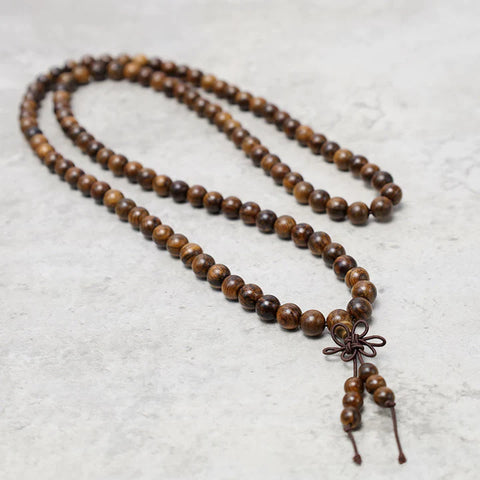
A Buddha image, necklace, or other object may be personally meaningful, but purchasing one is not the definition of Vesak. Do not imply that a specific stone improves enlightenment or that jewelry guarantees the benefits of religious practice.
If choosing a gift, ask whether the recipient wants religious imagery and provide an accurate explanation. Material care and cultural meaning are separate questions. A symbolic object still needs suitable construction for its intended use.
The clearest introduction keeps the commemoration central, names the local context, and follows the host's account. Vesak can then be approached as a living Buddhist observance with varied expressions, rather than a universal relaxation routine or a reason for compulsory shopping.
Factual References
Related Reading
Frequently Asked Questions
What Does Vesak Commemorate
The UN describes the Buddha’s birth, enlightenment, and passing; local traditions organise related observances differently.
Is There One Gregorian Date Everywhere
No. Check the community, calendar, venue, and current programme.
Does Every Temple Bathe a Buddha Statue
Do not assume so. The article gives a Singapore example, not a universal requirement.
Must Visitors Buy an Offering
No. Ask the host what participation involves.
Can I Observe Without Joining Every Gesture
Ask the venue; respectful observation may be appropriate where welcomed.
Is Vesak Mainly a Relaxation Session
No. Keep its Buddhist commemoration and teachings central.